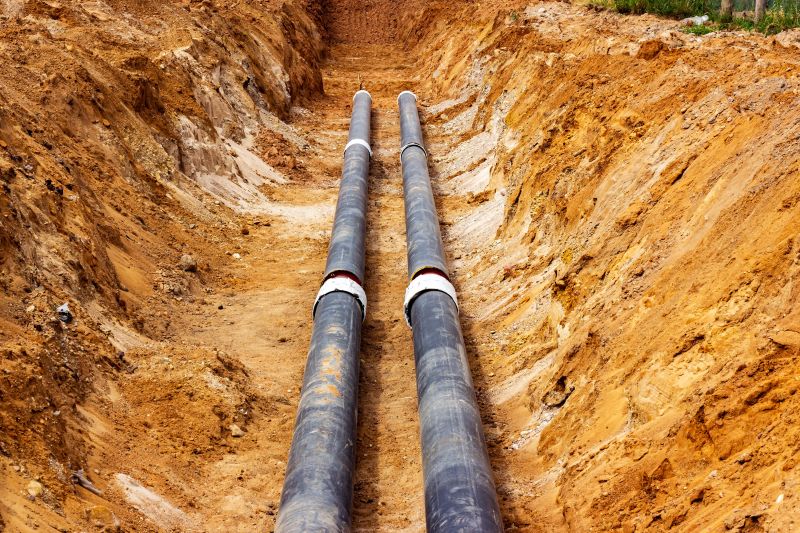
Downspout Trenching in Houston, TX
Downspout trenching services involve excavating trenches to properly redirect rainwater away from a property's foundation. This process is often used when existing downspouts need to be extended or when new drainage systems are being installed to prevent water pooling, soil erosion, or basement flooding. Property owners typically request this service for projects such as upgrading drainage around their home, installing underground piping, or addressing drainage issues caused by landscaping changes or new construction.
Before requesting downspout trenching, homeowners should consider the layout of their property and the location of existing drainage systems. It's helpful to understand the overall drainage plan and any specific problem areas where water tends to collect or cause damage. Knowing the extent of trenching needed, along with the desired final drainage setup, can ensure the project addresses current issues effectively and prevents future water-related concerns.
Many property owners in Houston, TX look into Downspout Trenching for repairs, replacements, upgrades, and appearance-related improvements.
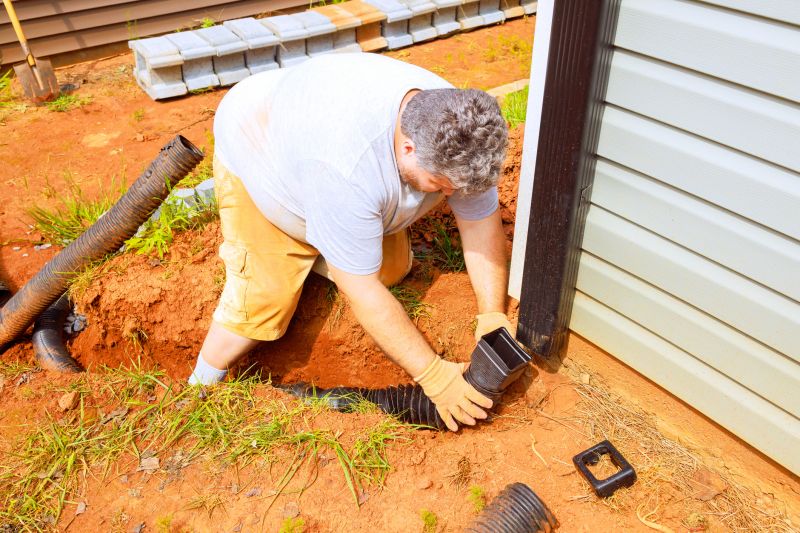
Efficient Downspout Drainage
Trenching helps direct rainwater away from foundations to prevent water damage.
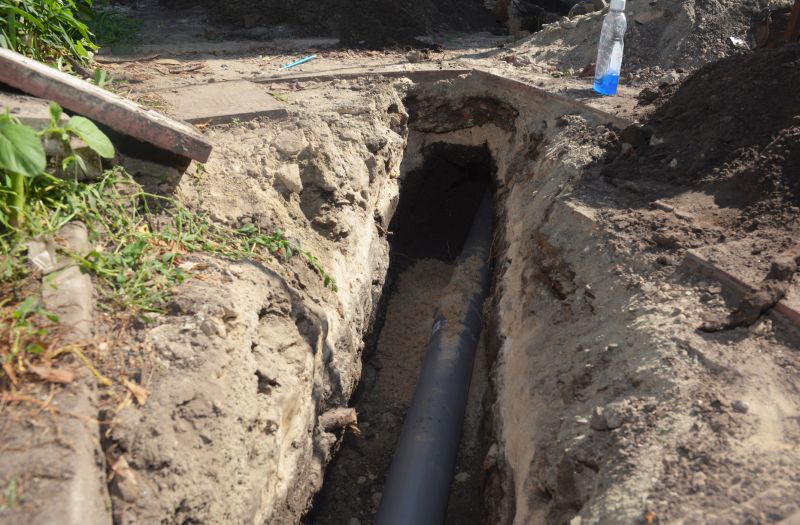
Customized Trenching Solutions
Services are tailored to fit the specific layout and drainage needs of houston properties.
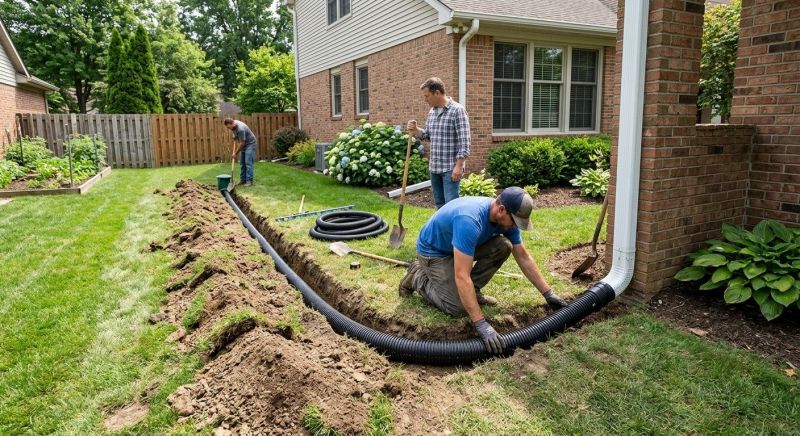
Foundation Protection
Proper trenching ensures water flows away, reducing the risk of basement flooding and structural issues.
Downspout Trenching in Houston, TX
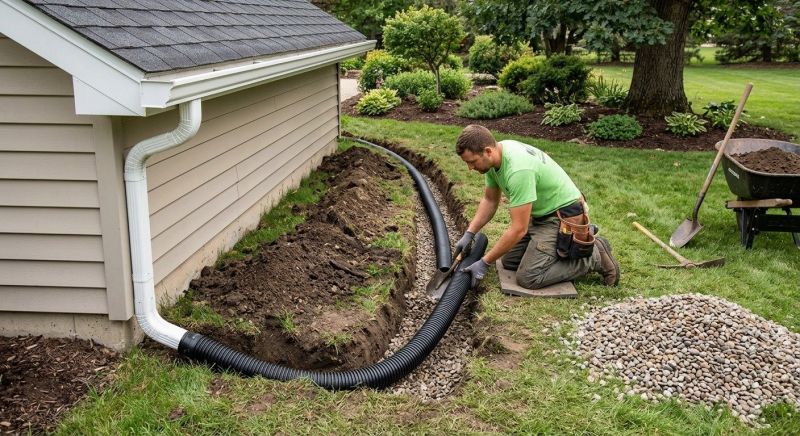
Downspout trenching services involve excavating trenches to properly redirect rainwater away from a property's foundation. This process is often used when existing downspouts need to be extended or when new drainage systems are being installed to prevent water pooling, soil erosion, or basement flooding. Property owners typically request this service for projects such as upgrading drainage around their home, installing underground piping, or addressing drainage issues caused by landscaping changes or new construction.
Before requesting downspout trenching, homeowners should consider the layout of their property and the location of existing drainage systems. It's helpful to understand the overall drainage plan and any specific problem areas where water tends to collect or cause damage. Knowing the extent of trenching needed, along with the desired final drainage setup, can ensure the project addresses current issues effectively and prevents future water-related concerns.
Many property owners in Houston, TX look into Downspout Trenching for repairs, replacements, upgrades, and appearance-related improvements.
Common Downspout Trenching Jobs
Downspout trenching - creates a dedicated channel to direct water away from the foundation.
Foundation protection - prevents water damage and basement flooding by redirecting runoff.
Landscape preservation - minimizes disruption to existing gardens and yard features during installation.
Drainage improvement - enhances overall property drainage to reduce pooling and erosion.
Erosion control - stabilizes soil around the property to prevent washouts caused by heavy rains.
Custom trenching solutions - tailored to fit specific property layouts and drainage needs.
Downspout Trenching Questions
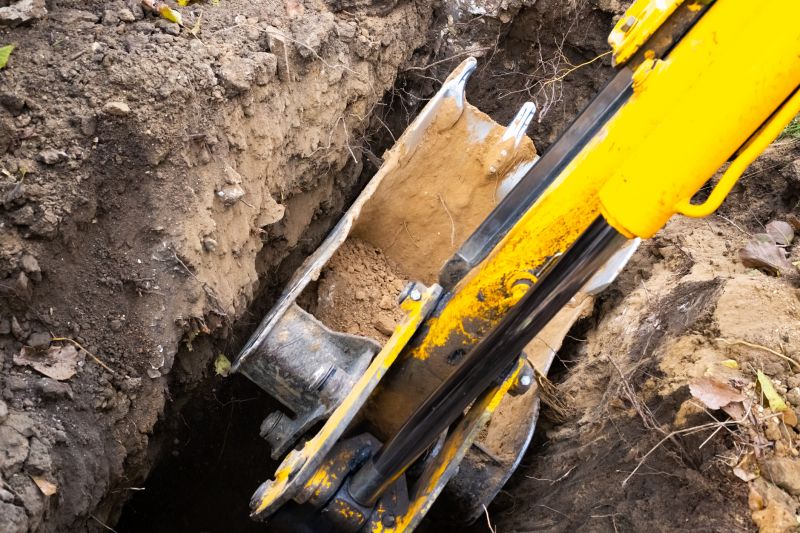
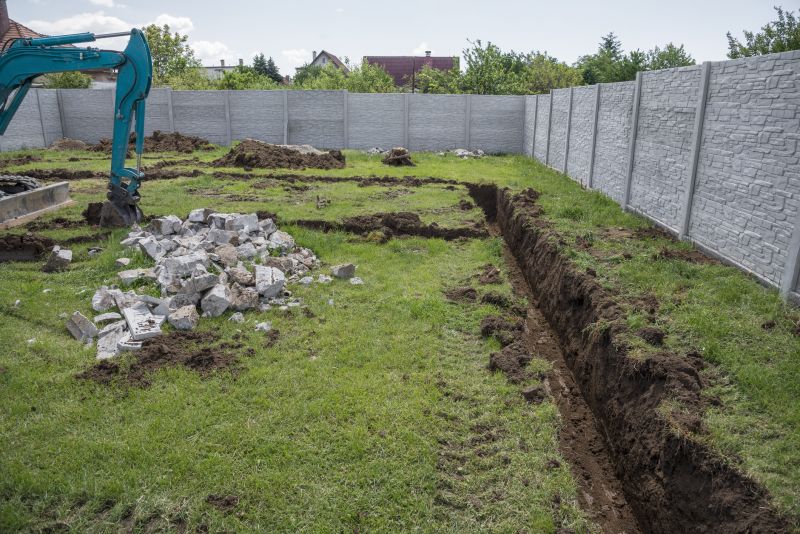
What is downspout trenching? Downspout trenching involves digging a channel to redirect rainwater away from a building’s foundation, preventing water damage and erosion.
When is trenching necessary for downspouts? Trenching is recommended when existing downspouts drain too close to the foundation or when upgrading to underground drainage systems.
How does trenching improve drainage? It creates a direct pathway for water to flow away from the property, reducing pooling and potential basement flooding.
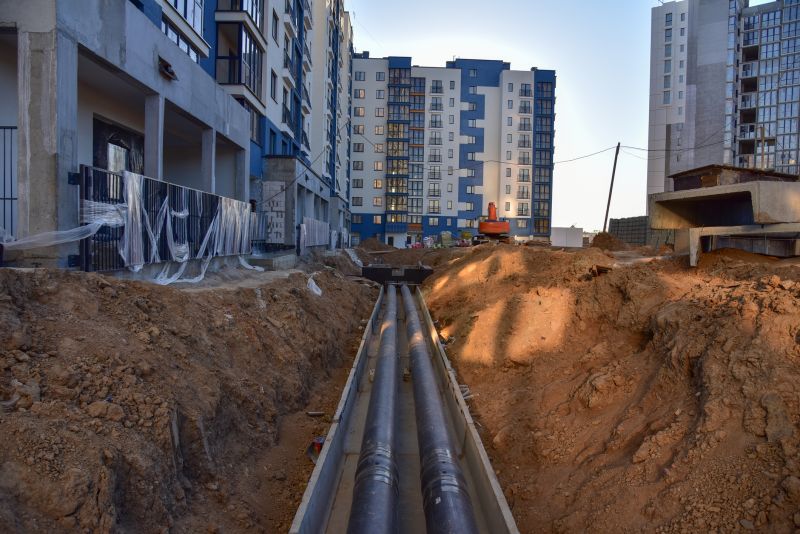
What types of projects typically require downspout trenching? Projects include installing underground drain lines, extending downspouts, or repairing existing drainage systems to improve water flow.
Request Downspout Trenching in Houston, TX
Use the quote form on this page to share the basics of your project and request more information for the type of work you need.